Chef Salad

Mar 8th, 2010 | Posted by Cori Rozentāle

Chef Salad

Last weekend was a busy project weekend for my husband and me. Grace, our most mischievous cat, had decided to play in our homebuilt lightbox. By play in, I mean she jumped inside, clawed two of the three tissue paper diffusers to shreds and jumped out through the third.

Granted, our old lightbox was basically a cardboard box with tissue paper sides. Not much and it was definitely cheap. We’d known for a while that we really should redo it; we’d both been getting frustrated with its limitations. We just didn’t have a reason to do it.

Grace

Thanks Grace. (You can see how innocent she is.)

While we were looking for a small dry erase board for me, my husband saw foamboard and had an idea for a lightbox. He designed it, modeled it and came up with the parts we’d need. The next day, we went to our local hardware store and picked up all of the parts we’d need.

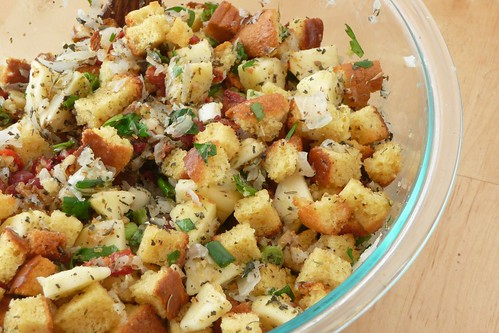
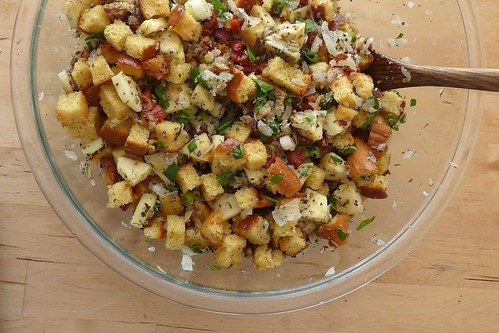
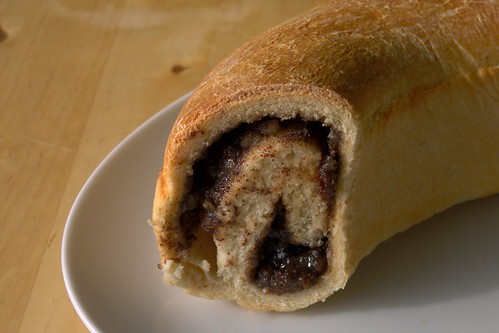
It worked out fantastically well. I’ll post a tutorial on how to make it later this week, but it blows the doors off of our old cardboard box. I wanted to share two of our test shots with you, just for the hell of it, which is why today’s recipe is pretty basic.

Plus, after fighting with writing and rendering illustrations so we could explain it to others resulted in pushing dinner to just before bed, we needed to eat quickly. We still wanted to have a healthy dinner though. Enter the chef salad.

A chef’s salad, at least to me, is a jumble of a salad. I usually make it with whatever leftovers are hanging out in the fridge that need to be used up. (I also do this with fried rice.) I have my favorite salad toppings that I usually put on too. They’re a main course, so make sure you throw on plenty of veggies and enough protein to satisfy. The best thing is that these salads are terribly easy to throw together, only requiring some basic chopping of ingredients.

Chef Salad - Test Shot

Chef Salad [printable recipe]

  • Spinach
  • 1/2 cup shredded carrot
  • 1/4 cup shredded cabbage
  • 1 hard-boiled egg per person
  • 1/3 cup diced cooked turkey
  • 1/4 cup cooked great northern beans
  • 1/2 oz cheddar cheese, cut into small chunks
  • 1 huge crimini mushroom, chopped
  • 12 black olives, sliced
  • 2 green onions, chopped
  • 5 sun-dried tomatoes, sliced
  • 1 tbsp roasted sunflower kernels
  • 1 tbsp roasted, salted soy nuts

Combine everything in a large salad bowl or individual bowls. Toss with your favorite dressing.

Sprats and Avocado Sandwich

Mar 6th, 2010 | Posted by Cori Rozentāle

Sprats and Avocado Sandwiches

It seems lately that everyone is talking about Alton Brown’s Good Eats episode, “Live and Let Diet” where he espouses one of his favorite light meals, packed with heart-healthy goodies, nutrients and fats: marinated brislings over avocado mash on toasted bread.

Those of you who already eat tinned fishies like sardines, kippers, herring, anchovy and, our favorite, sprats, are probably already wondering whether or not there’s a ripe avocado in the cupboard. Just skip down to the end for my adaptation.

I want to talk to those of you who, like my mother, scrunch up your nose and look at a tin of fish as if it were the most horrible food product on earth.

I have only two questions for you: Do you like tuna fish sandwiches or tuna salad? Ever enjoyed fried salmon cakes?

Guess what: You just ate a tin of fish. It’s fishy, flaky and oh-so-good, isn’t it?

Now, take the tin of humble sprats. You know what’s inside? A different, smaller fish that’s been smoked and packed in oil. Since he’s a tiny little guy, he still has his bones (so does that salmon you buy in a can!) and probably his skin and some fins. They’re all completely edible. The canning process cooks everything enough so that it’s nice and soft – you’ll never even know unless you look.

And if you’re still a bit squicked out? Just smoosh ‘em all up into a mash! Now it looks just like a bit darker version of tuna salad. No problem there, right?

I’ll let you in on a little secret: Smoked tinned fish is much, much better than tinned tuna. There’s no comparison, at least not for me. I’d rather have sprats than tuna; the smoky, rich flavor just can’t be beat. And this open-faced sandwich is a marvelous way to try them out.

Personally, I absolutely love this sandwich. I can’t believe I never thought to match sprats to avocado! I originally tried the recipe the way Alton does it: with sardines. I found them too mild, too bland and absolutely requiring the apple cider vinegar and marinating Alton calls for. Sprats don’t need vinegar or marinating at all because they’re so intensely flavorful on their own.

And of course, being me, I strongly recommend you look for ones from Latvia. (This is easy, more than 75% of the sprats out there come from Latvia.) If at all possible, if you have the option, get “Rīgas zelts” — my personal favorite and one of the best brands. Don’t get the tins of fish in sauce. While they’re still good eats, I think the sauce would probably clash, especially if it’s sweet.

Sprats and Avocado Sandwich

Sprats and Avocado Sandwich [printable recipe]

Adapted from Alton Brown [original recipe here]
Serves 2

  • 160 g smoked sprats in oil (one 5.6 oz can)
  • 1 ripe avocado
  • splash of lemon juice or a lemon, split into wedges
  • freshly-ground black pepper
  • pinch of salt
  • 4 (about 1/2″ thick) slices of crusty, tasty bread – french, sourdough, country, etc.
  • 1 – 2 tbsp fresh parsley, chopped (optional)

Pour off about 2/3rds of the oil in the tin into a small dish then empty the fish and remaining oil onto another, larger dish carefully1. Brush the reserved oil over the bread and toast.

If you don’t have a toaster oven, you probably shouldn’t put this into a regular 2- or 4-slice toaster. Instead, place a rack in the oven about 4″ from the element and turn it to Broil. Place the slices on a rack set on a baking sheet and broil for 2 – 3 minutes until golden brown2.

Halve the avocado and remove the pit. Mash the avocado – either in a small bowl or just inside the skin – and spread over the freshly toasted slices.

If you’re smooshing the sprats, mash those in the bowl with a few grinds of pepper, a pinch of salt and a generous splash of lemon juice. Scoop the mash onto each slice and spread evenly (and generously!) over the avocado.

Otherwise, lay the sprats neatly over the avocado, sprinkle a bit of salt and grind a bit of pepper over each sandwich. Squeeze the lemon over each then garnish with parsley.

Notes:

  1. Unless you intend to smoosh them, in which case just dump ‘em in and don’t worry about it.
  2. THIS WILL BURN. Be careful! Check it every 30 – 45 seconds after the first minute is up and remove as soon as it’s as golden as you want it.

Edamame Pesto

Mar 3rd, 2010 | Posted by Cori Rozentāle

I came across an interesting recipe the other day that involved making an edamame-based pesto sauce. It sounded intriguing, so I put it on the menu along with another intriguingly random soup.

I’m really happy with how the pesto came out. It’s nutty and very nicely balanced. It was excellent on soba noodles, but I think it would really shine on a grilled chicken panini. Or maybe I’m just partial to chicken-and-pesto sandwiches!

Plus, talk about super-easy! Most of the work is in chopping up some ingredients, nuking one or two and then tossing them all into a food processor.

Edamame Pesto [printable recipe]

Adapted from Cooking Light
Makes about 2 1/2 cups sauce

  • 1/2 cup frozen, shelled edamame beans
  • 1/4 cup chopped walnuts
  • 1/2 cup loosely packed fresh basil leaves
  • 1/2 cup loosely packed fresh cilantro leaves
  • 1/4 cup finely grated fresh parmesan cheese (about 3/4 ounce)
  • 3 tbsp lemon juice
  • 1/4 cup extra virgin olive oil
  • 3 largish garlic cloves, peeled and roughly chopped
  • 1/4 cup hot water
  • pinch of salt and freshly ground pepper

Place the beans in a small microwaveable dish and cover. Microwave for 60 seconds. Combine all ingredients except hot water in a food processor. Pulse several times to chop everything finely. Add hot water and process until smooth. Add additional hot water if sauce is too thick.

Chicken Salad

Mar 1st, 2010 | Posted by Cori Rozentāle

Chicken Salad Wrap

One of the best uses for leftover chicken or turkey is the humble chicken salad. Now, I wasn’t always a fan; in fact, since my experience for much of my youth was the chicken salad glop served in cafeterias or bad cafes, I really didn’t care for it.

But, one year, I had an abundance of turkey after Thanksgiving. I had turkey coming out my ears! (Or so it felt.) I’d already made everything I could think of for leftovers and was scrounging around for another way to use up the leftovers. I found a recipe that sounded good, made it and promptly had it every day for lunch until my leftovers were good.

Unfortunately, I didn’t write it down.

Fast-forward to last week. We had some leftover rotisserie chicken which we had bought to make some fast dinners and lunches. Our favorite local grocery uses our preferred brand of chickens for their rotisserie offerings and since the whole raw chickens were more expensive and we wanted dinner somewhat soonish, we picked one up.

After using about a quarter of the chicken, I had plenty of leftovers to use up. I started thinking about that recipe again and went through a bunch of the cookbooks I would have had at the time I made it the first time. I didn’t find much that I remembered but I did find one that sounded just as good.

After I made it, I took a bite of my sandwich and closed my eyes in happiness. It might not be the same recipe but I think it’s actually better. Crunchy, not too sweet and packed with flavor.. all I have to do now is arrange for more leftovers so I can have this again!

Chicken Salad [printable recipe]

Adapted from a recipe in Cooking Light
Makes 2 large sandwiches

  • 90 g | 3 oz diced, peeled apple
  • 45 g | 1.5 oz chopped, toasted walnuts
  • 120 g | 4 oz chopped, cooked chicken or turkey1
  • 30 g | 1 oz chopped green onion
  • 110 g | 4 oz light/low-fat sour cream
  • 40 g | 1.5 oz light/low-cal mayonnaise
  • 1/4 tsp smoked paprika2
  • 1/4 tsp cumin3

Combine everything in a medium bowl. Mix well to combine.

Serve on toasted bread, buns or wraps. A bit of rocket/arugula, spinach, mesclun or other spicy salad mix is a good addition.

Notes:

  1. This is roughly equivalent to 1 breast of a 3 lb roasted chicken. White or dark meat is good here. You can also reduce the amount of chicken without drastically affecting taste, just add more apple.
  2. Or regular paprika. I like the flavor of smoked best.
  3. Try a spice blend like a tandoori mix which uses cumin, ginger, coriander, salt and paprika. If you do, don’t add the smoked paprika and use 1/2 tsp of the mix.

Nam Manglak – Thai Basil Seed Drink

Feb 26th, 2010 | Posted by Cori Rozentāle

Nam Manglak

My mom found a packet of basil seeds and decided to challenge me to figure out what to do with them. After some research, I found that the primary use was in a drink called “nam manglak” and that the little seeds would poof up into what seemed rather like tapioca pearls or frog eggs.

Nam Manglak was the most common recipe with ingredients I could actually obtain. Apparently, the little seeds make drinks in several Southeast Asian countries and their neighbors, but the Indian one I read involved ingredients I’d never heard of!

Soaked Basil Seeds

In fact, as you can see from the picture, the little black dots from the seed’s hull make them look eerily like frog eggs. They’re awfully fun to nibble on and will poof into small chewy spheres. It seems to take them about 30 minutes to completely soak up all of the water and poof completely, but they start poofing after just a few seconds. Personally, I call them “frogalicious”!

This is one recipe where I’m honestly not trying for authenticity. I have no real idea of how this drink is really supposed to taste. What I can tell you is that what I’ve written below tastes quite good and the drink is very fun to make. A straw is essential to maximize the fun. And generally, I find that I’m happiest mixing up an italian soda and adding a couple of tablespoons of seeds.

Nam Manglak Italian Sodas

Here’s one set of drinks my husband and I had today with lunch. Mine is a mix of chocolate and caramel sugar-free syrups, club soda and half & half with basil seeds. His is a mix of raspberry syrup, tonic and still water, plus a splash of evaporated milk and basil seeds.

I’ve come up with a lot of variations on the theme, some of which I’ve listed below. Keep in mind that 2 tablespoons of seeds will make at least 500 ml of basil seed spheres. It’s a cheap drink: we found that 69c would buy a large enough packet to make more than a dozen drinks’ worth.

I definitely recommend these fun little seeds as a fun summer drink or even a Halloween creepy drink (or prop).

Nam Manglak

Nam Manglak – Thai Basil Seed Drink [printable recipe]

Adapted from various sites

Base:

  • 2 tbsp basil seeds
  • 2 tbsp sugar or vanilla sugar
  • 500 ml hot water

Add a Mix-in or Two:

  • grenadine or other flavored syrups, such as chocolate, strawberry, almond, hazelnut, caramel, etc.
  • cream or sweetened condensed, evaporated or coconut milk
  • rosewater

Top off with:

  • tonic or club soda (aka seltzer water or soda water or sparkling water)
  • milk
  • iced tea

Make the basil base:
Combine sugar and honey with hot water, stirring to dissolve. Add seeds, stirring in well so all of the seeds are soaked. Chill for a few hours until cold.

Mixing a drink:
Fill five glasses halfway with crushed ice. Add about 125 ml of the seed base to each, along with a tablespoon of your favorite mix-in. Top off the glasses with sparkling water, club soda, milk or other liquid. Add straws and enjoy.

Notes:

  1. So far, I prefer mixing mine with club soda, half & half, plus a bit of flavored syrup (an italian soda). I really want to try one with rum and coconut milk which seems like it would be very good. Thai iced tea is another drink I’d like to try adding these to as well.
  2. Basil seeds are available at asian groceries in little 2oz – 4oz packets.
  3. If you try making this, please do not use seed packets intended for planting unless you can verify there are no added chemicals or fertilizers.